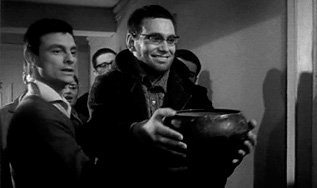
Andrei Konchalovsky's Burden of Power project is about the unpopular decisions by heads of state and political agents of power. The protagonists of the Burden of Power series can't be called liberal activists but it is they who, paradoxically, had great influence on the fate and development of their countries.
|
The Burden of Power
The Geniuses
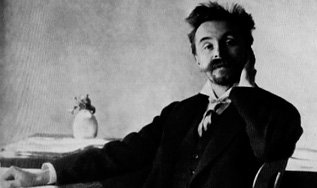
"The Geniuses TV series is dedicated to the great Russian composers Prokofiev, Rachmaninoff, Stravinsky, Scriabin and Shostakovich. This year the world is marking 50 years since the death of Prokofiev and 60 years since the death of Rachmaninoff; and in 2005 it will be 30 years since Shostakovich's death and 90 years since Scriabin's death.
Culture is Destiny
Sooner or later a person starts to ask themselves questions about the meaning of life. Sometimes the answers come on their own but sometimes you have to struggle with them your whole life... IT IS WORTH REMEMBERING
In 2008 Andrei Konchalovsky made a number of series for Zvezda TV channel. The cycle, titled "It's Worth Remembering", was composed of short programmes in which the director spoke about people whose life and work he believes have left a bright mark on world culture, figures who deserve to be remembered and esteemed by future generations. Each episode of "It's Worth Remembering" commemorated the birthday of a historical figure. 
From the series of films dedicated to the creative works of Andrei Konchalovsky
Продюсер
|
"Einstein was once asked what helped him in his discoveries. He answered, 'I simply listen to the voice of nature. It's very quiet but my hearing is good.' So I dream that humanity would begin to listen to the whisper of nature that has formed national peculiarities of various peoples and races. Only then will we understand how to help countries with an inert consciousness to open up to equality and well-being." "Civilisation and culture are not one and the same. Civilisation is built on the priority of laws but culture is built on that of responsibilities. In, let's say, Chinese or Japanese culture, Jewish or Arab, a person is instructed by a great multitude of rituals and duties that have the force of law, demand rigorous undertakings and don't reckon with personal rights. But even within these cultures, the person can also be free." |